
Fabrication
How Steel Fabrication Works: From Design to Finished Product
Published by MetFab Steel · Bayswater, Melbourne
Ever wondered what actually happens between "I need a custom steel part" and receiving the finished product? Steel fabrication is both a science and a craft — combining digital precision with skilled hands-on work. Here's how the process works at MetFab Steel.
Step 1: Design & Engineering
Every fabrication job starts with a design. For custom orders, we work with customers to translate their requirements into a technical drawing or DXF file. This defines exact dimensions, material specifications, tolerances, and any hole or cutout patterns.
For repeat catalogue items (garden edging, rings, planters), our designs are already drawn and programmed — we simply input the size and quantity.
Step 2: Material Selection
The right steel grade matters enormously. Common choices at MetFab include:
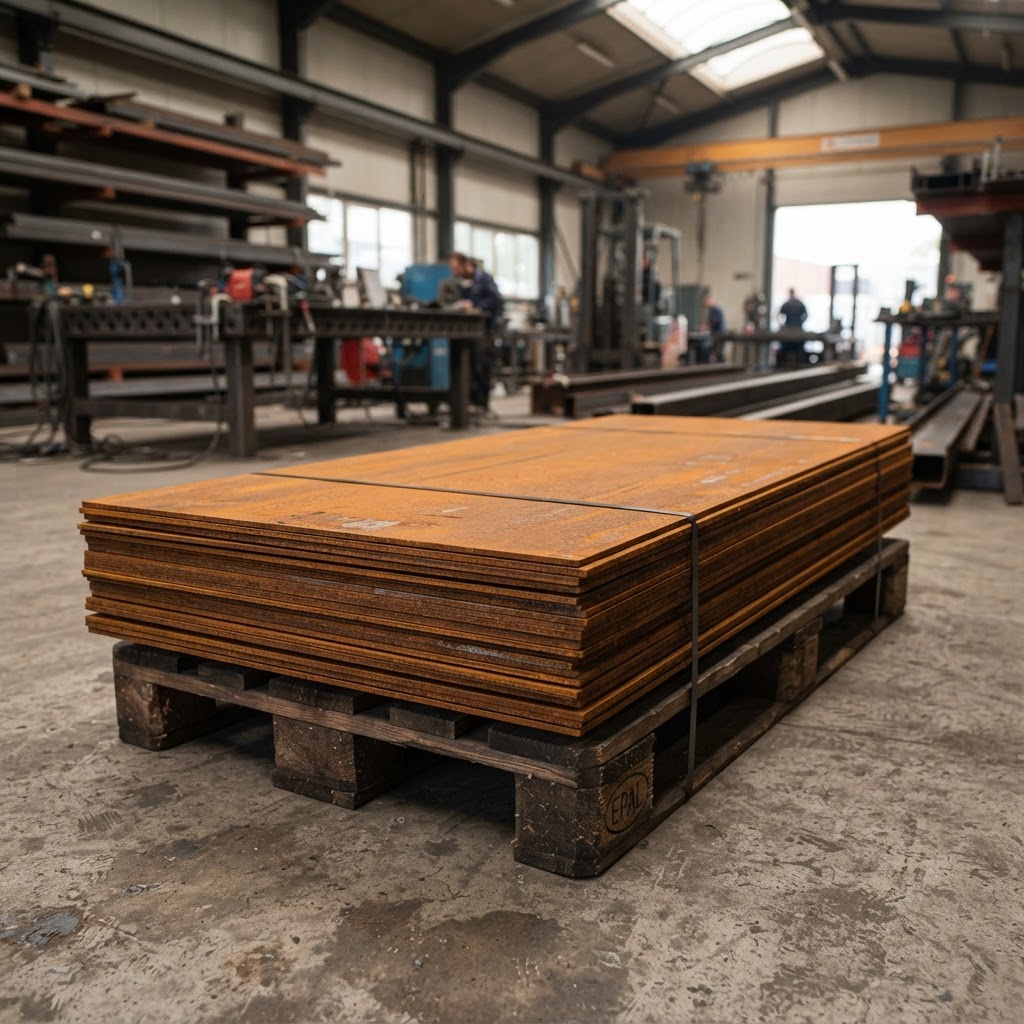
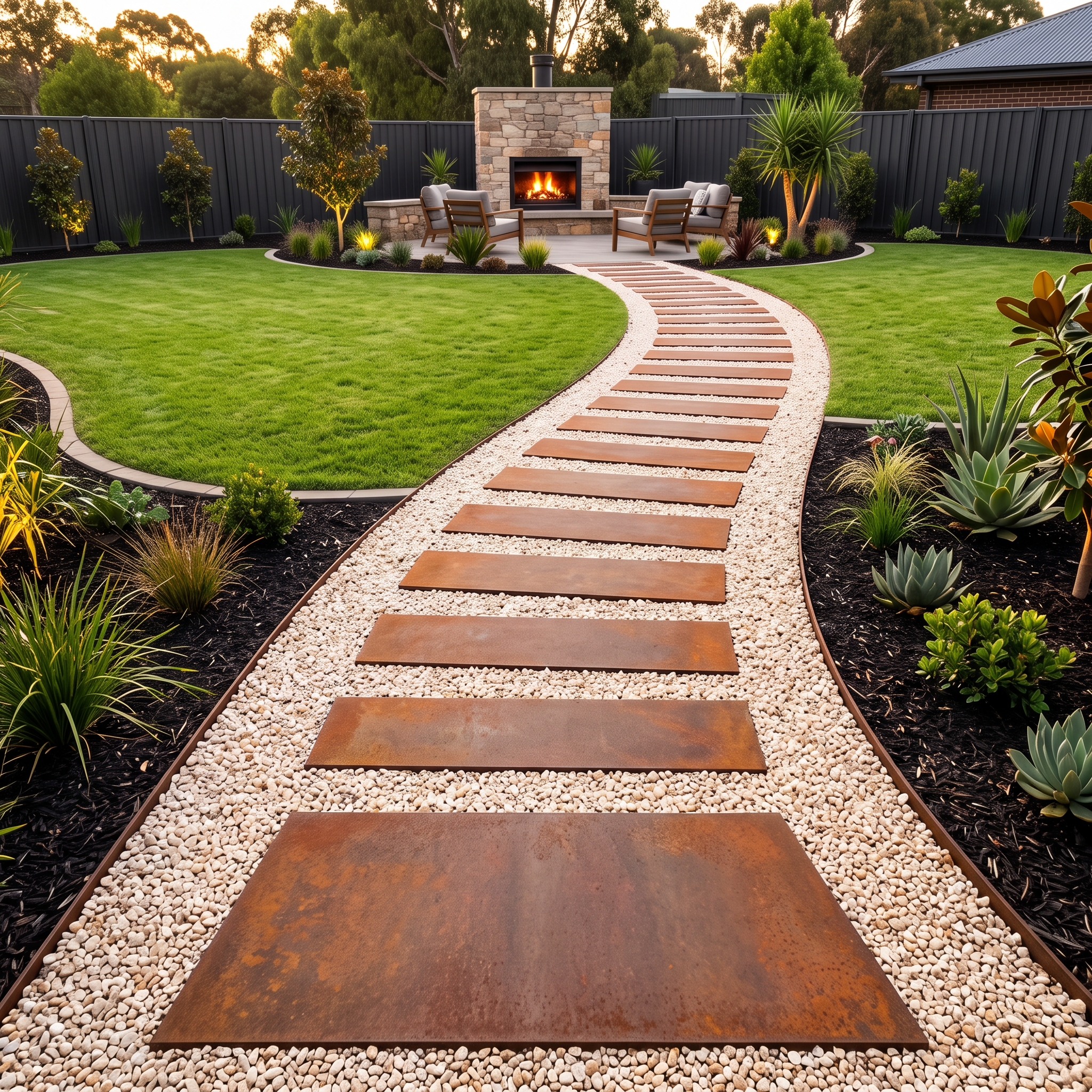
- Corten (weathering steel): For garden products, edging, and decorative features exposed to the elements.
- Mild steel (HR/CR plate): For structural components, frames, and parts that will be painted or powder coated.
- Stainless steel: For food-contact surfaces, marine environments, or applications requiring a bright finish.
Sheet thickness is selected based on structural requirements, application, and aesthetics.
Step 3: Cutting
Cutting is typically the first physical operation. At MetFab, we use two primary cutting technologies:
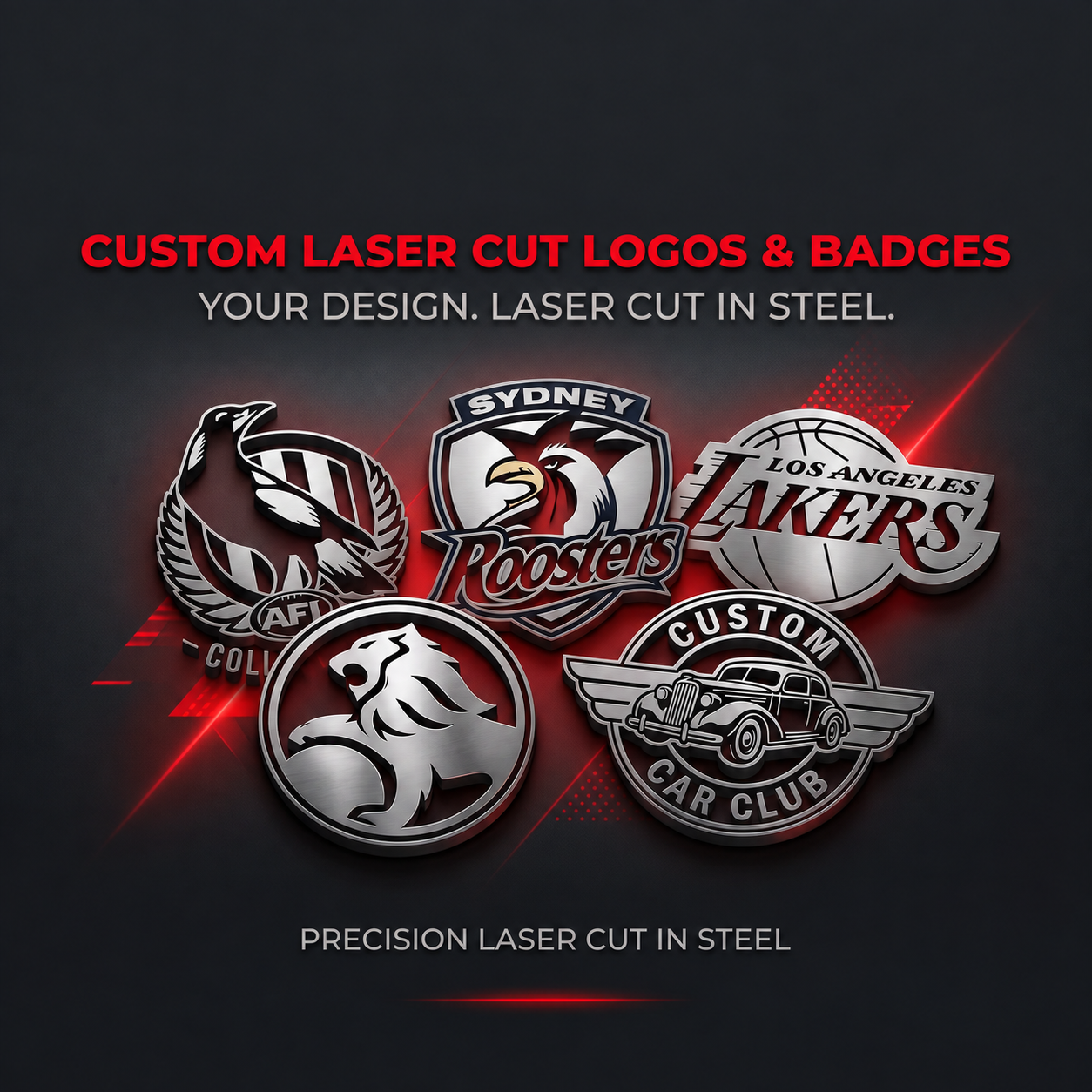
- Fiber laser cutting: Extremely precise, fast, and leaves a clean edge. Best for intricate patterns, thin to medium plate, and high-volume jobs.
- Waterjet cutting: Uses a high-pressure water and abrasive jet to cut without heat. Ideal for thick plate, materials sensitive to heat distortion, or multi-layer cutting.
Both methods are CNC-controlled, meaning parts are cut directly from the digital design file with sub-millimetre accuracy.
Step 4: Forming & Bending
Flat cut blanks are then formed into their final three-dimensional shape using a press brake. This machine uses a punch and die to apply precise bending force at specific points along the material.
Complex parts may require multiple bends in a specific sequence. Skilled operators use their experience to account for springback — the tendency of metal to partially return toward its original shape after bending.
Step 5: Welding & Assembly
Where multiple components need to be joined, MIG or TIG welding is used. Our welders work to either full-penetration welds for structural joints or intermittent welds for cosmetic joins where heat distortion needs to be minimised.
After welding, parts are cleaned up by grinding, filing, or sanding weld seams as required by the finish specification.
Step 6: Surface Treatment & Finishing
Finishing depends on the end use:
- Corten steel: Left bare to weather naturally — no coating required or recommended.
- Mild steel: Typically powder coated or painted for corrosion protection and aesthetics.
- Stainless steel: May be brushed, polished, or left in its natural mill finish.
Step 7: Quality Check & Dispatch
Before any order leaves the workshop, parts are checked against the original drawing for dimensions, weld quality, and surface finish. Finished pieces are packaged carefully — Corten products are often wrapped to prevent staining during transit.
Delivery to Melbourne metro is available, or customers can pick up directly from our Bayswater workshop Monday to Saturday.
Custom Fabrication at MetFab
Have a project in mind? We work with homeowners, landscapers, architects, and builders across Melbourne. Send us a drawing, sketch, or description and we'll provide a quote — often within 24 hours.
Shop
Related Products
Written by
The MetFab Steel Team
MetFab Steel is a family-run fabrication workshop with over 35 years of experience in structural steel, Corten products, and precision CNC cutting. Our team works hands-on every day with waterjet cutters, welders, and press brakes — so our articles come straight from the workshop floor.