Cutting
Waterjet vs Laser Cutting: Which is Right for Your Job?
Published by MetFab Steel · Bayswater, Melbourne
Two of the most common precision cutting technologies in metal fabrication are waterjet cutting and fiber laser cutting. Both produce clean, accurate results — but they work very differently and each has clear strengths depending on the job.
How They Work
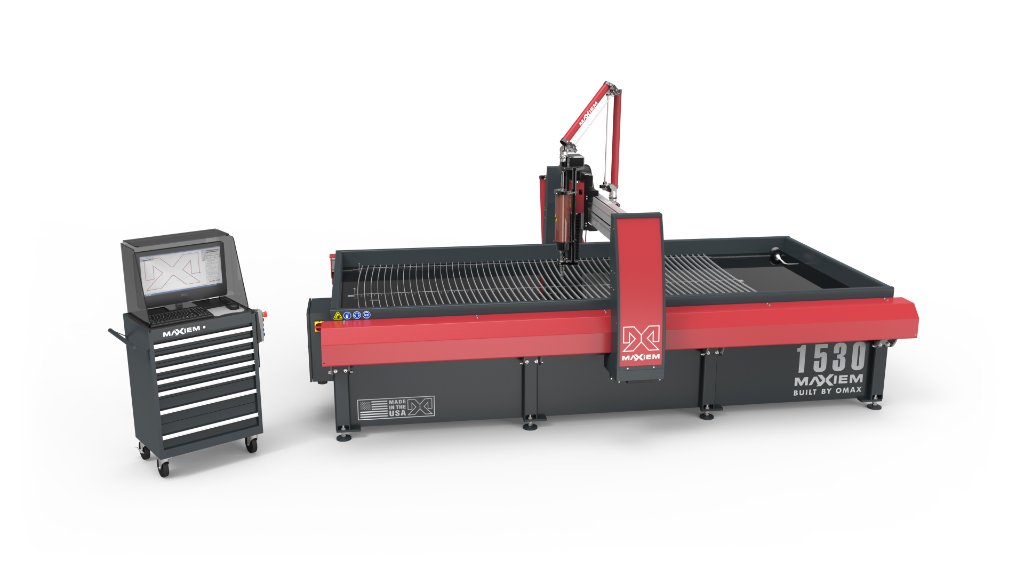
Waterjet cutting uses a high-pressure stream of water mixed with abrasive garnet to erode through almost any material. There is no heat involved — the cut is entirely mechanical.
Fiber laser cutting uses a focused beam of light to melt and vaporise the material. It is extremely fast on thin to medium gauge sheet metal, but generates heat at the cut zone.
Material Capability
Waterjet handles virtually any material: steel, aluminium, stainless, copper, stone, glass, ceramics, rubber, and composites — all without changing the material properties because there is no heat-affected zone (HAZ).
Laser is best suited to metals — mild steel, stainless steel, and aluminium. It cannot cut stone, glass, or ceramics, and produces a HAZ on thicker cuts that may require secondary processing.
Thickness
Waterjet can cut material up to 200mm+ thick. Laser is most efficient up to around 16mm, with our BODOR A3-CE 6kW capable of cutting mild steel up to 22mm thick plate — though cut quality and speed reduce on thicker sections.
Speed & Volume
For high-volume runs of thin sheet metal parts, laser wins on speed — our BODOR A3-CE 6kW machine cuts at up to 80m/min. For one-off or small-batch jobs, thick plate, or unusual materials, waterjet is the more flexible choice.
Quick Reference
| Factor | Waterjet | Laser |
|---|---|---|
| Max thickness | 200mm+ | Up to 22mm (mild steel) |
| Heat-affected zone | None | Yes |
| Materials | Almost anything | Metals only |
| Speed (thin sheet) | Moderate | Very fast |
| Best for | Thick, varied, heat-sensitive | High-volume thin sheet |
Which Should You Choose?
If your job involves thick plate, unusual materials, or heat-sensitive components — choose waterjet. If you have high-volume thin sheet metal parts in mild steel, stainless, or aluminium — laser will be faster and more cost-effective.
Not sure? The team at MetFab can assess your drawings and recommend the right process. We offer both technologies from our Bayswater workshop.
Shop
Related Products
Written by
The MetFab Steel Team
MetFab Steel is a family-run fabrication workshop with over 35 years of experience in structural steel, Corten products, and precision CNC cutting. Our team works hands-on every day with waterjet cutters, welders, and press brakes — so our articles come straight from the workshop floor.